
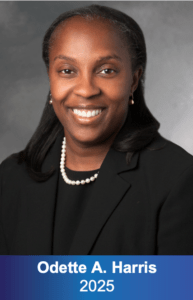
 Dr. Odette A. Harris is a trailblazing neurosurgeon. She is the Paralyzed Veterans of America Endowed Professor of Spinal Cord Injury Medicine, a Professor and Vice Chair of Neurosurgery, and Director of Brain Injury at Stanford. She also serves as Deputy Chief of Staff for Rehabilitation at the VA Palo Alto Health Care System, overseeing multiple specialized services.
She earned her MD from Stanford University and an MPH in Epidemiology from UC Berkeley, following her undergraduate studies at Dartmouth. Dr. Harris completed her residency and internship at Stanford and was awarded the prestigious William Van Wagenen Fellowship, which she completed in Jamaica, where she remains a Visiting Consultant in Neurosurgery.
A nationally recognized leader, Dr. Harris has authored numerous scientific publications, and serves on editorial and national boards, including the NFL Head, Neck and Spine Committee and the Defense Health Board. Her many honors include the AANS Spinal Cord Injury Award, Forbes and Ebony Magazine Power 100 recognition, the Stanford RISE Award, and being named a Women’s History Maker by Stanford in both 2022 and 2024. She was also the 2023 William P. Van Wagenen Lecturer for the AANS.
Dr. Harris is the first African American woman in neurosurgery to hold an endowed professorship and the first woman at Stanford Neurosurgery to do so. She is a Trustee of Dartmouth College, Castilleja School, and the Boys and Girls Club of the Peninsula, and a Fellow of the Aspen Global Leadership Network.
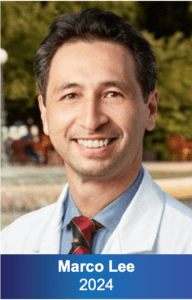 Dr. Marco Lee is a distinguished neurosurgeon whose career blends surgical expertise, academic leadership, and a strong commitment to public service. As Chief of Neurosurgery at Santa Clara Valley Medical Center and Clinical Professor of Neurosurgery at Stanford University, he has played a key role in advancing neurosurgical care in Northern California.
Trained in the United Kingdom at Oxford and Edinburgh, Dr. Lee later completed advanced fellowships at Stanford in skull base, cerebrovascular and radiosurgical techniques. His clinical practice spans complex spine surgery, cranial tumor resection, and minimally invasive treatments such as stereotactic radiosurgery. He is widely recognized for his skill in combining traditional neurosurgical principles with cutting-edge technology.
In addition to his clinical work, Dr. Lee is an active scholar and educator. He has authored numerous peer-reviewed publications on topics including CyberKnife radiosurgery and cerebral revascularization. A committed mentor, he continues to guide residents and fellows while leading neurosurgical education and quality initiatives at SCVMC.
Dr. Lee served as President of the Western Neurosurgical Society, a role that reflects his leadership, collegial spirit and contributions to the advancement of neurosurgery throughout the region.
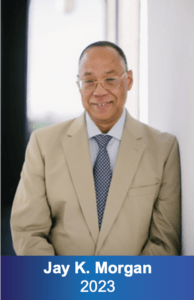 Dr. Jay K. Morgan is a highly respected neurosurgeon. He has played a central role in the development of neurosurgical care in Northern Nevada, blending surgical innovation with deep community engagement. His journey in medicine began at The Ohio State University, where he earned both his undergraduate and medical degrees. Early clinical experiences during rotations at Cleveland Metro Health sparked his interest in neurosurgery, a field that would define his career.
He completed his neurosurgical residency at Henry Ford Hospital in Detroit under the mentorship of Dr. James Ausman. His academic pursuits continued with a fellowship at the National Institutes of Health, where he conducted research on fetal tissue implantation, work that deepened his commitment to innovation in neurological science.
In 1993, Dr. Morgan joined Sierra Neurosurgery Group in Reno, where he helped expand and modernize the region’s approach to complex spine and cranial care. He has served as Chief of Neurosurgery at both Renown Regional and Saint Mary’s Regional Medical Centers and has been an active voice in organized medicine. His leadership includes serving as President of the Washoe County Medical Society and Treasurer of the Nevada State Medical Association.
Beyond the operating room, Dr. Morgan is a dedicated family man, husband, and father of three. He enjoys scuba diving, photography and time with his granddaughters. His career reflects a balance of clinical excellence, service and lifelong learning.
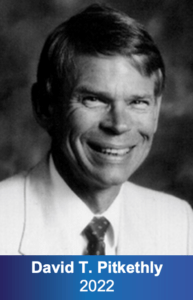 Dr. David T. Pitkethly is a highly respected neurosurgeon whose career spans over sixty years in both military and civilian medicine. A graduate of Duke University School of Medicine in 1961, he completed his neurosurgery residency at Walter Reed Army Medical Center. He served with distinction in the U.S. Army Medical Corps, including during the Vietnam War, where he was the only neurosurgeon managing over 100 beds at Camp Zama, Japan. He was later activated during the Gulf War, treating patients in Riyadh, Saudi Arabia.
In 1973, Dr. Pitkethly transitioned to private practice and became the first neurosurgeon serving the Eastside of Seattle at Overlake and Evergreen Hospitals. After retiring from practice in 1997, he joined the faculty at the University of Washington’s Department of Neurological Surgery, where he contributed to patient care and education until retiring as Professor Emeritus in 2006.
Dr. Pitkethly and his wife, Mara, a registered nurse, also volunteered internationally with the Foundation for International Education in Neurological Surgery (FIENS), providing critical neurosurgical care and training across Kenya, Ethiopia, and Tanzania between 2012 and 2014.
In 2022, he served as President of the Western Neurosurgical Society, honoring his lifelong commitment to the field. Dr. Pitkethly’s legacy reflects exceptional service, leadership, and dedication to advancing neurosurgical care both in the U.S. and globally.
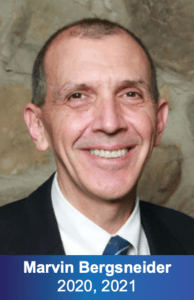 Dr. Marvin Bergsneider is a nationally recognized neurosurgeon known for his expertise in pituitary and skull base tumors, hydrocephalus and disorders of intracranial pressure. He serves as Professor of Neurosurgery at the UCLA David Geffen School of Medicine and is Director of the UCLA Pituitary and Skull Base Tumor Program, where he leads a multidisciplinary team in the treatment of complex cranial conditions.
Dr. Bergsneider earned his medical degree from the University of Arizona College of Medicine in 1987 and completed his neurosurgery residency and internship at UCLA Medical Center. He has since remained on faculty at UCLA, building a reputation for clinical excellence, surgical innovation and compassionate care.
His research has made major contributions to the understanding of cerebrospinal fluid (CSF) dynamics, hydrocephalus and shunt system design. He has served as principal investigator on multiple NIH-funded studies and is considered a thought leader in managing intracranial pressure disorders. His work has helped shape both diagnostic tools and surgical approaches used in clinical practice today.
Dr. Bergsneider is a committed member of several leading professional societies, including the American Association of Neurological Surgeons, the Congress of Neurological Surgeons and the Western Neurosurgical Society. He has received repeated recognition as a Southern California Super Doctor and was named one of Los Angeles Magazine’s Top Doctors in 2023 and 2024.
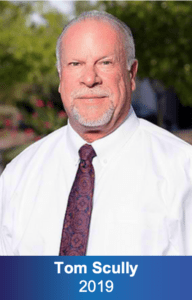 Dr. Thomas B. Scully is a leading neurosurgeon, he has dedicated more than three decades to advancing neurosurgical care, with a focus on spinal and peripheral nerve disorders. Based in Tucson, Arizona, he is known for his compassionate, patient-centered care and clinical excellence in treating spinal conditions, nerve root injuries, and degenerative disease.
Dr. Scully earned his bachelor’s degree in biology from the University of Notre Dame and his medical degree from Indiana University School of Medicine. He completed his neurosurgical residency at Indiana University Medical Center in 1994 and shortly thereafter relocated to Tucson, where he has built a distinguished practice. In 2003, he co-founded Northwest NeuroSpecialists, a leading neurosurgical group in Southern Arizona. In 2023, he joined Tucson Medical Center One Health, continuing his commitment to providing advanced care in a collaborative, multidisciplinary setting.
In addition to his clinical work, Dr. Scully has been an active leader in organized neurosurgery. He has served as President of the Arizona State Neurosurgical Society and was President of the Western Neurosurgical Society in 2019. He is affiliated with several hospitals in the Tucson area and is widely respected for his leadership and mentoring of younger colleagues.
Outside the operating room, Dr. Scully enjoys teaching, golf, and spending time with his family. His wife, Dawn, a former neuroscience nurse, has shared in his lifelong dedication to medicine and both of their children have followed in their footsteps by pursuing medical careers.
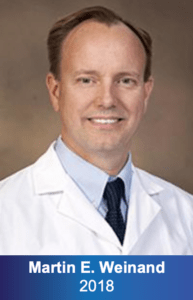 Dr. Martin E. Weinand is a distinguished neurosurgeon specializing in epilepsy surgery, pain management and neurotrauma. He is a Professor in the Department of Neurosurgery at the University of Arizona College of Medicine Tucson, where he has made significant contributions in both clinical care and academic leadership.
He earned his Bachelor of Science from Emory University in 1980 and his MD from St. Louis University School of Medicine in 1984. Dr. Weinand completed his neurosurgery residency at the University of Kansas in 1990 and went on to complete a fellowship in epilepsy surgery at the University of Tennessee in 1991.
Dr. Weinand joined the University of Arizona faculty in 1991 and became a Professor of Surgery in 2002. He founded the university’s neurosurgery residency program in 2003 and served as its Program Director until 2018. He has held multiple leadership roles, including Chief of the Division of Neurosurgery (2004–2009) and Interim Head of the Department of Neurosurgery (2020–2021, 2022–2024).
His research focuses on epilepsy, neurosurgical genomics, neurotrauma, and pain management. He has authored over 100 peer-reviewed publications and received numerous honors, including the Dean’s Teaching Scholar Award and the American Epilepsy Society’s Young Investigator Award.
Dr. Weinand served as President of the Western Neurosurgical Society in 2018 and is the current President of the Arizona Neurosurgical Society (2023–2025), reflecting his ongoing dedication to advancing neurosurgical education and patient care.
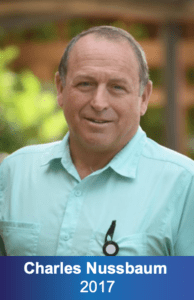 Dr. Charles E. Nussbaum is a highly respected neurosurgeon with over 30 years of experience, primarily practicing in the Pacific Northwest. He earned his M.D. from the University of Rochester School of Medicine and Dentistry in 1984, completed a transitional internship at Case Western Reserve/University Hospitals Cleveland and finished his neurosurgical residency at Rochester in 1990
Dr. Nussbaum spent much of his career at Virginia Mason Medical Center in Seattle, also holding licenses in Washington, Idaho and New York. His clinical expertise includes complex cerebral and spinal disorders, and he has contributed to research on dural repair and post-surgical scar prevention in spine surgery.
Within the Western Neurosurgical Society, Dr. Nussbaum served as President in 2017, and now holds the role of Historian, preserving the Society’s institutional knowledge and serving on several key committees. Now semi-retired (having scaled back practice since 2019), he splits his time between Seattle and Teton Valley, Idaho, engaging in occasional locum work and liability consulting. He also remains an active presence at WNS events often photographing social gatherings and delivering historical presentations.
Dr. Nussbaum is admired for his deep commitment to clinical excellence, scholarly service and the preservation of neurosurgical heritage.
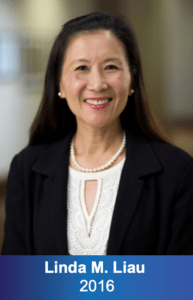 Dr. Linda M. Liau is a world-renowned neurosurgeon, neuroscientist, and academic leader, currently serving as the W. Eugene Stern Chair of the Department of Neurosurgery at the David Geffen School of Medicine at UCLA. A pioneer in brain tumor treatment, she is also the Director of the UCLA Brain Tumor Program and Principal Investigator of the NIH funded UCLA Brain Cancer SPORE.
She earned her MD from Stanford University and completed her neurosurgery residency and fellowship at UCLA. Dr. Liau also holds a PhD in Neuroscience and an MBA from UCLA, reflecting her wide-ranging expertise in clinical care, research and leadership.
Dr. Liau has made groundbreaking contributions to the development of dendritic cell-based vaccines for glioblastoma and is a leader in functional brain mapping and awake brain tumor surgery. Her research has been continuously funded by the NIH for over 20 years and she has authored more than 170 peer-reviewed publications. She previously served as Editor in-Chief of the Journal of Neuro- Oncology.
In 2016, Dr. Liau made history as the first woman to serve as President of the Western Neurosurgical Society, marking a significant milestone in the organization’s history. She was elected to the National Academy of Medicine in 2018 and continues to serve the neurosurgical community as a Director of the American Board of Neurological Surgery.
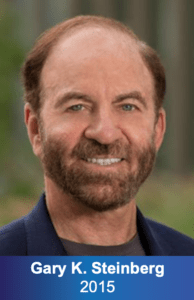 Dr. Gary K. Steinberg is an internationally renowned neurosurgeon, neuroscientist, and academic leader whose career has shaped modern cerebrovascular and restorative neurosurgery. He holds the Bernard and Ronni Lacroute–William Randolph Hearst Professorship at Stanford University, where he founded the Stanford Stroke Center and directs the Moyamoya Center. From 1995 to 2020, he served as Chair of Stanford’s Department of Neurosurgery, guiding its growth in clinical care, research and innovation.
Dr. Steinberg earned both his MD and PhD from Stanford and completed his residency there, followed by a fellowship in cerebrovascular surgery under Dr. Charles Drake. He is a global expert in complex cerebrovascular conditions, including aneurysms, AVMs, and moyamoya disease, as well as skull base and ischemic stroke surgery.
His research has led pioneering work in neuroprotection, angiogenesis, and stem cell therapy for stroke and spinal cord injury, advancing clinical trials and novel treatments. Widely published and internationally recognized, he has received numerous honors, including the AHA’s Stroke Progress and Innovation Award and the NIH’s Jacob Javits Neuroscience Investigator Award.
Within the Western Neurosurgical Society, Dr. Steinberg served as President in 2015 and was awarded the Cloward Award in 2022 for his lasting contributions to the field. His career exemplifies surgical innovation, scientific discovery and compassionate leadership in neuroscience.
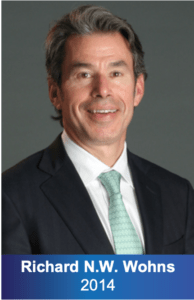 Dr. Richard N.W. Wohns is a nationally recognized neurosurgeon, entrepreneur, and educator best known for pioneering the field of outpatient spine surgery. A graduate of Harvard University, he earned his medical degree from Yale School of Medicine, completed his neurosurgical residency at the University of Washington, and later went on to receive both an MBA and a JD, underscoring his broad expertise across clinical, business and legal spheres.
In 2001, Dr. Wohns founded NeoSpine, one of the first national networks of ambulatory spine surgery centers in the United States. Through NeoSpine, he helped drive the evolution of minimally invasive and outpatient spine care, performing more than 4,000 cervical and lumbar procedures using advanced, patient-friendly techniques such as artificial disc replacement.
An Associate Clinical Professor of Neurological Surgery at the University of Washington, Dr. Wohns has also extended his impact globally. He has led neurosurgical training and capacity-building efforts in Nepal and the Maldives, and founded the Nepal Spine Foundation, which supports surgical education and care in underserved areas.
Dr. Wohns has served in leadership roles within organized neurosurgery, including as President of the Washington State Association of Neurological Surgeons and the Western Neurosurgical Society. His innovative spirit, commitment to global health, and contributions to ambulatory spine surgery continue to shape the future of neurosurgical practice.
 Dr. Jeffery Rush is a highly respected neurosurgeon whose career has spanned over five decades, marked by a steadfast commitment to clinical excellence and patient-centered care. He earned his medical degree from the University of Florida College of Medicine in 1968 and completed neurosurgical training during a formative era in the field. Throughout his career, Dr. Rush has embraced innovation while maintaining a deep respect for the human side of medicine.
Dr. Rush practiced in a variety of clinical settings, earning a reputation for both surgical skill and compassion. His interest in community-focused care eventually led him to Breckenridge, Colorado, where he remained a respected presence in the local medical community and continued to support regional healthcare needs.
Beyond clinical practice, Dr. Rush has been a committed member of the neurosurgical profession, contributing to organized medicine and peer collaboration. In 2013, he served as President of the Western Neurosurgical Society, helping to further its mission of advancing education, mentorship and excellence in neurosurgery.
Dr. Rush has left a meaningful legacy among patients, colleagues and future generations of neurosurgeons
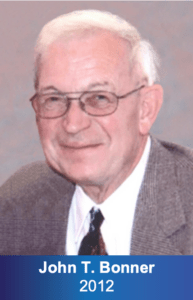 Dr. John T. Bonner (1936–2018) was a renowned neurosurgeon, ethical leader, and community pillar, deeply respected for his clinical skill and integrity. Born on December 7, 1936, in Havre and raised in Butte, Montana, he earned his M.D. from the University of Chicago Pritzker School of Medicine and completed his neurosurgical residency at the University of Washington in 1969 before launching his academic career at the University of Missouri.
In 1972, Dr. Bonner entered private practice in Fresno, California, where he spent over four decades providing expert care. He was a long-time medical ethics consultant at Community Regional Medical Center and a trusted reviewer on the St. Agnes Hospital Institutional Review Board. He also worked with the California Disability Determination Service, exemplifying his commitment to patient advocacy and professional responsibility.
A dedicated leader in organized medicine, Dr. Bonner served as President of the Fresno‑Madera Medical Society, was a regular delegate to the California Medical Association, and led both the California Association of Neurological Surgeons (CANS) and the Western Neurosurgical Society (WNS), delivering the presidential address in 2012.
His lifetime of service was recognized through the Fresno‑Madera Medical Society Lifetime Achievement Award and the Byron Cone Pevehouse Service Award from CANS, which honor outstanding contributions to neurosurgery and medicine in California. Dr. Bonner was equally admired for his rich personal life, he was an avid marathon runner, wine enthusiast, devoted traveler, and dog lover, especially fond of his five German Shorthaired Pointers.
He passed away on November 21, 2018, remembered not only for his expertise but also for his unwavering integrity, mentorship and deep devotion to his community
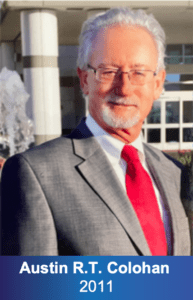 Dr. Austin R.T. Colohan is a highly respected neurosurgeon whose career spans more than four decades and reflects a deep commitment to clinical excellence, academic leadership and neurosurgical research. He earned his M.D. from McMaster University’s Michael G. DeGroote School of Medicine in 1978 and completed his surgical internship and neurosurgical residency at the University of Virginia Medical Center.
Dr. Colohan has held prominent academic and clinical appointments at Emory University and Loma Linda University Medical Center in California. He is certified by the American Board of Neurological Surgery and honored as a Fellow of both the American College of Surgeons and the American Association of Neurological Surgeons.
A prolific researcher, Dr. Colohan has made significant contributions in areas such as traumatic brain injury, spinal cord trauma, cerebrospinal fluid dynamics, and spinal infections, including Pott’s disease. His scholarly work has appeared in leading neurosurgical and neurological journals, reflecting a commitment to advancing both clinical practice and scientific understanding. He has also contributed to the profession as a guest examiner for the American Board of Neurological Surgery.
In recognition of his dedication to the profession, he served as President of the Western Neurosurgical Society in 2011, where he championed regional collaboration, mentorship and the continued growth of neurosurgical education.
Dr. Colohan remains a highly respected figure in academic neurosurgery, admired for his patient-centered approach, leadership in professional societies and sustained mentorship of future leaders in the field.
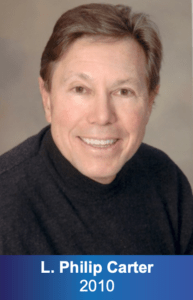 Dr. L. Philip Carter (1939–2010) was a pioneering neurosurgeon, educator, and researcher whose career helped shape modern cerebrovascular neurosurgery. He earned his medical degree from Washington University School of Medicine in 1964, followed by a surgical internship and service as a U.S. Air Force medical officer. He completed his neurosurgical residency at the Barrow Neurological Institute (BNI), where he later became Chief of Cerebrovascular Surgery.
At BNI, Dr. Carter conducted groundbreaking research on intraoperative cerebral blood flow monitoring and thermal diffusion flowmetry, earning two patents for neurosurgical instrumentation. He co-edited the authoritative textbook Neurovascular Surgery with Drs. Robert Spetzler and Mark Hamilton. Dr. Carter held leadership roles at the University of Arizona, where he advanced neurosurgical monitoring and interstitial brachytherapy, and at the University of Oklahoma, where he directed neurosurgical care during the response to the Oklahoma City bombing. He later returned to Tucson, joining Western Neurosurgery and serving as Surgical Medical Director of Perioperative Services at University Medical Center.
A prolific academic, Dr. Carter authored more than 100 scientific papers and mentored generations of students and residents. In recognition of his contributions, he served as President of the Western Neurosurgical Society in 2010, shortly before his passing.
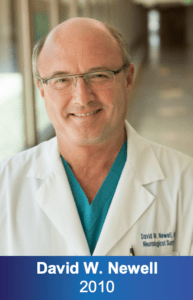 Dr. David W. Newell is a highly respected neurosurgeon and researcher known for pioneering work in cerebral blood flow regulation and the clinical use of transcranial Doppler ultrasound in neurosurgical care. Born in Boston, Massachusetts, he earned his undergraduate degree in Biology from Boston University (1976) and his medical degree from Case Western Reserve University (1982). He completed neurosurgery residency at the University of Washington in 1989, including training at Atkinson Morley’s Hospital in London, and a Van Wagenen fellowship at the University of Bern, Switzerland, where he developed non-invasive methods to measure cerebral autoregulation.
During his 15 years on the faculty of the University of Washington School of Medicine, Dr. Newell directed a basic science laboratory studying brain protection mechanisms in stroke and head injury, trained numerous residents and fellows, and co-authored landmark clinical guidelines on traumatic brain injury. He has received multiple NIH grants, published nearly 200 scientific papers and chapters, and edited four medical texts.
Dr. Newell co-founded the Swedish Neuroscience Institute, where he served as Co-Executive Director and Chief of Neurosciences, and is the founder of the Seattle Neuroscience Institute. His clinical expertise includes microsurgical treatment of cerebrovascular disorders, cerebral aneurysms, arteriovenous malformations, stroke, complex brain tumors, skull base surgery, and minimally invasive spine surgery.
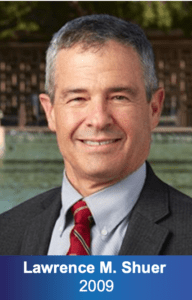 Dr. Lawrence M. Shuer is a distinguished neurosurgeon, educator, and healthcare leader whose career has spanned more than four decades at Stanford University. He earned both his B.A. in Biomedical Sciences (1975) and M.D. (1978) from the University of Michigan, before completing his internship and neurosurgery residency at Stanford. He joined the Stanford faculty in 1984 and has since played a central role in advancing both patient care and academic medicine.
At Stanford, Dr. Shuer has specialized in brain tumors, spinal disorders, pediatric neurosurgery and epilepsy. He has contributed to surgical innovations in craniosynostosis and led clinical trials on spinal biomechanics and disc replacement. His leadership roles include Chief of Staff at Stanford Hospital (1996–2008), Associate Dean for Graduate Medical Education (1996–2011) and Associate Chair of the Department of Neurosurgery since 2004.
Dr. Shuer has also been a dedicated leader in organized neurosurgery. He served as President of the Western Neurosurgical Society, the California Association of Neurological Surgeons and as Southwest Quadrant Chair of the Council of State Neurosurgical Societies. He has also contributed to the profession as a guest examiner for the American Board of Neurological Surgery.
A respected voice in academic neurosurgery, Dr. Shuer has authored over 60 peer-reviewed publications and remains active in mentorship and institutional leadership. His career reflects a deep and enduring commitment to clinical excellence, education and the advancement of the neurosurgical community.
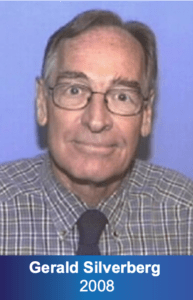 Dr. Gerald Silverberg is a distinguished neurosurgeon, researcher and educator renowned for his groundbreaking work on cerebrospinal fluid (CSF) physiology and its role in neurodegenerative diseases. He earned a B.A. in English Literature from Dartmouth College in 1959 before pursuing his M.D. at Stanford University School of Medicine, graduating in 1964. He then completed his neurosurgical residency at Stanford, where he later served as faculty and held the position of Acting Chair of the Department of Neurosurgery from 1989 to 1992.
As Professor Emeritus at Stanford, Dr. Silverberg led pioneering research into CSF production and clearance mechanisms, shedding light on their dysfunction in conditions such as Alzheimer’s disease and normal-pressure hydrocephalus. He developed influential animal models and his extensive work on choroid plexus function and amyloid transport across the blood–brain barrier has been highly cited in the field.
Dr. Silverberg has published more than 130 peer-reviewed articles and book chapters. Beyond his academic contributions, he served as President and CEO of CSFRefresh, Inc. a biotech company dedicated to CSF-targeted therapies and held a Research Professor appointment at Brown University, where he continued to advance the study of neurodegenerative disorders.
His career reflects a rare combination of clinical excellence, foundational research, and entrepreneurial spirit, all focused on improving diagnosis and treatment of brain aging and dementia.
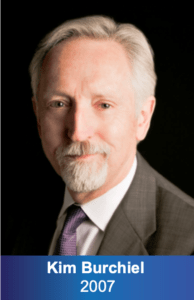 Dr. Kim J. Burchiel is a globally recognized neurosurgeon known for his pioneering contributions to functional neurosurgery and pain management. He is the John Raaf Professor and Chairman Emeritus of the Department of Neurological Surgery at Oregon Health & Science University (OHSU), where he also directs the Division of Functional Neurosurgery and its fellowship program.
Dr. Burchiel earned his MD from the University of California, San Diego, completed his surgical internship at UCLA/Harbor General Hospital, and neurosurgery residency at the University of Washington. He joined OHSU in 1988 and served as department chair from 1997 to 2015, transforming it into a nationally respected program.
A leader in deep brain stimulation (DBS), Dr. Burchiel was the first U.S. surgeon to perform DBS for Parkinson’s disease in 1991 and helped pioneer “asleep” DBS under general anesthesia. His clinical work also focuses on epilepsy, movement disorders, and trigeminal neuralgia. He has published over 300 peer-reviewed papers and authored several influential textbooks, including Surgical Management of Pain.
Dr. Burchiel has held leadership roles as President of the Western Neurosurgical Society, Society of University Neurosurgeons, and American Board of Pain Medicine and served on the American Board of Neurological Surgery and Society of Neurological Surgeons. His work has earned numerous national and international honors.
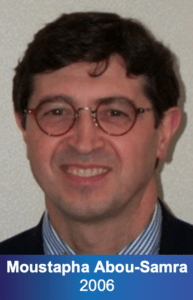 Dr. Moustapha Abou‑Samra is a respected neurosurgeon and community leader whose career has spanned over four decades. Born in Damascus, Syria, he received his medical degree from the University of Damascus in 1972. He then completed a surgical internship at Raritan Bay Medical Center in New Jersey, followed by a general surgery residency at Rutgers New Jersey Medical School and a neurosurgery residency at the University of Texas Health Science Center in San Antonio.
In 1981, Dr. Abou‑Samra established his neurosurgical practice in Ventura, California, where he provided expert care to patients throughout Ventura County. He was affiliated with Community Memorial Hospital and St. John’s Regional Medical Center and became known not only for his clinical excellence but also for his involvement in medical leadership and education.
He later served as President of the Neurosurgical Society of America and held leadership roles in several professional organizations, including the California Association of Neurological Surgeons and the American Association of Neurological Surgeons. His efforts helped advance clinical standards and support collaboration across the neurosurgical community.
Beyond his medical contributions, Dr. Abou‑Samra has been a dedicated advocate for community unity, immigration awareness and cross-cultural understanding. In the aftermath of 9/11, he actively promoted dialogue and outreach efforts that strengthened relationships among diverse communities in Southern California.
Today, he is recognized not only for his outstanding career in neurosurgery but also for his lasting contributions to civic life and public service
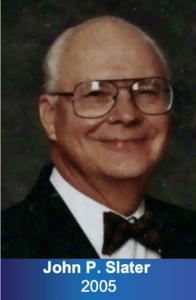 Dr. John P. Slater (1933–2024) was a distinguished neurosurgeon, educator, and veteran whose career spanned over four decades. He earned his undergraduate degree from Washburn University and his medical degree from the University of Kansas Medical School. He completed his neurosurgery residency at the University of Vermont Medical Center in the early 1960s.
Following residency, Dr. Slater served as a U.S. Army Captain during the Vietnam War, stationed at the 106th General Hospital in Yokohama, Japan, where he was the sole neurosurgeon at a 1,000-bed facility. After his military service, he joined the Fresno Neurosurgical Group in California and became a respected figure in microvascular surgery and neurological care throughout the Central Valley.
Dedicated to organized neurosurgery, Dr. Slater served as President of the Western Neurosurgical Society. He was also a passionate supporter of education, sponsoring annual teaching awards at Washburn University and scholarships for students in Fresno Unified School District. Known for his warmth, humor, and generosity, Dr. Slater left a lasting legacy through his service, mentorship and philanthropy
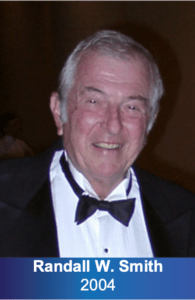 Dr. Randall W. Smith (1938–2021) was a prominent figure in neurosurgery, widely admired for his clinical expertise, mentorship, and leadership. He earned his medical degree from the University of Washington School of Medicine and completed his neurosurgery residency there in 1971.
Dr. Smith joined the faculty at the University of California, San Diego, where he played a key role in developing the Division of Neurosurgery. He later practiced in Escondido, California, becoming known for his compassionate care and commitment to patient outcomes.
A dedicated member of organized neurosurgery, Dr. Smith served as President of the Western Neurosurgical Society in 2004 and as its Historian from 2009 to 2013, during which time he digitized the society’s historical archives. In recognition of his contributions, the WNS established the annual Randy Smith Lectureship in his honor. He was also a recipient of the Randall W. Smith Award for Meritorious Service from the Council of State Neurosurgical Societies (CSNS), reflecting his leadership and advocacy.
Dr. Smith sadly passed away in 2021. He is remembered as a skilled surgeon, thoughtful mentor and a tireless advocate for the neurosurgical community.
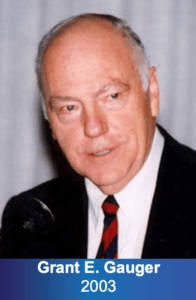 Dr. Grant E. Gauger is a respected neurosurgeon, educator, and researcherwhose career has spanned decades of excellence in clinical care, academicleadership, and mentorship. He earned his medical degree from the University ofWashington School of Medicine in 1960 and completed his neurosurgery residency at the University of California, San Francisco (UCSF) in 1974.
Following his training, Dr. Gauger joined the UCSF Department of Neurological Surgery, where he served as a faculty member for many years. His clinical expertise includes the surgical management of complex spinal disorders, cranial pathology and the application of advanced neuroimaging techniques to improve surgical outcomes. He has co-authored numerous peer-reviewed publications and contributed to the evolving standards of care in neurosurgery.
Known for his commitment to education, Dr. Gauger played a significant role in mentoring generations of neurosurgical residents and medical students. His thoughtful approach to teaching and patient care earned him respect among colleagues and students alike.
Dr. Gauger’s legacy in academic neurosurgery and neurological research remains a guiding force for future generations of neurosurgeons.
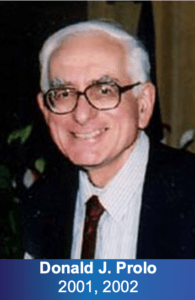 Dr. Donald J. Prolo is a distinguished neurosurgeon, educator and innovatorwhose career spans more than six decades. He earned his M.D. from Stanford University in 1961 and has since become a leading figure in spinal surgery, neurosurgical biomaterials and tissue transplantation.
Dr. Prolo is widely recognized for his groundbreaking work in spinal stabilization and bone grafting techniques. His research into bone sterilization and preservation significantly improved the safety and reliability of allografts used in neurosurgical procedures. He also played a pivotal role in developing spinal implants and surgical methods that continue to serve as the foundation of modern spinal surgery.
In addition to his clinical contributions, Dr. Prolo has been a dedicated academic and mentor. He served on the faculty at Stanford University, where he helped train generations of neurosurgeons. He has published extensively in peer-reviewed journals and has been honored for his influence on surgical education and standards.
Dr. Prolo also held leadership roles in several prominent professional organizations, including the American Association of Neurological Surgeons (AANS), the Congress of Neurological Surgeons (CNS), and the Western Neurosurgical Society (WNS), where he helped shape policy and advance the field.
His legacy endures through the surgeons he trained, the innovations he introduced and his unwavering commitment to improving neurosurgical care.
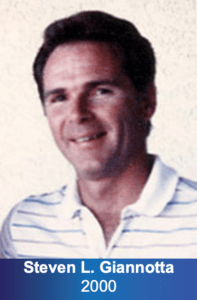
Dr. Steven L. Giannotta is a nationally recognized neurosurgeon, educator, and leader in academic medicine, specializing in cerebrovascular and skull base surgery. He is the Dr. Martin H. Weiss Chair and Professor of Neurological Surgery at the Keck School of Medicine at the University of Southern California (USC), where he has served on the faculty since 1980.
Dr. Giannotta earned his medical degree from the University of Michigan and completed his neurosurgical residency at the University of Michigan Medical Center. At USC, he helped build one of the most comprehensive neurosurgery programs in the country. He has performed over 1,000 intracranial aneurysm surgeries and more than 400 acoustic neuroma resections, pioneering multidisciplinary approaches to complex brain and skull base pathology.
His research contributions include significant work on cerebral blood flow, vasospasm treatment and strategies for reducing ischemic brain injury. A prolific educator, Dr. Giannotta also served as Program Director for the USC Neurosurgery Residency and has mentored many neurosurgeons now practicing across the country.
Dr. Giannotta has held key leadership roles, including President of the American Academy of Neurological Surgery, Chair of the American Board of Neurological Surgery and Vice President of the Society of Neurological Surgeons. His honors include the Distinguished Service Award from the Congress of Neurological Surgeons and the Donaghy Lecture at the AANS.
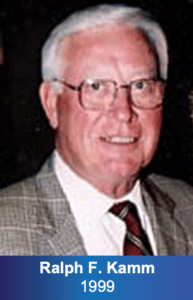
Dr. Ralph F. Kamm (1931–2016) was a respected neurosurgeon based in Seattle, Washington, known for his clinical skill, leadership and longstanding dedication to the neurosurgical community. He trained and practiced during a transformative era for neurosurgery and became a key figure in advancing the field in the Pacific Northwest.
Dr. Kamm’s early promise in neurosurgery was recognized when he received the Resident Award from the Western Neurosurgical Society (WNS) in 1966, an honor given to outstanding young neurosurgeons. He remained an active contributor to the society throughout his career and served as President of the WNS in 1999, becoming the first former Resident Award recipient to hold this prestigious position.
Dr. Kamm passed away in 2016, at the age of 84. He is remembered by colleagues and patients alike for his commitment to excellence, his leadership within organized neurosurgery, and the legacy he left as a mentor and role model.
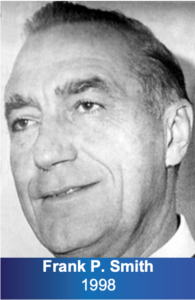
Dr. Frank P. Smith (1915–2003) was a pioneering neurosurgeon, educator and military veteran whose contributions helped shape academic neurosurgery in the United States. He earned his undergraduate degree cum laude from Hobart College in 1936 and his medical degree from the University of Rochester School of Medicine in 1941.
During World War II, Dr. Smith served with distinction as a commanding officer in the U.S. Army Medical Corps, participating in the Normandy invasion and earning a Purple Heart and three Battle Stars. After the war, he completed his
neurosurgical training under Dr. William P. Van Wagenen at the University of Rochester Medical Center (URMC), where he succeeded Van Wagenen as Chief of Neurosurgery in 1954, serving in that role until 1974.
Dr. Smith was a committed educator and trained a generation of neurosurgeons, many of whom went on to join academic faculties. In 1980, he and his wife endowed the Frank P. Smith Professorship in Neurosurgery, the first endowed chair in the Department of Surgery at URMC.
His leadership extended nationally, including terms as President of the Neurosurgical Society of America (1969), Vice President of the Society of Neurological Surgeons (1974), and service on the Board of Directors of the American Association of Neurological Surgeons (AANS). In 2001, he received the AANS Distinguished Service Award in recognition of his decades of contributions to neurosurgery.
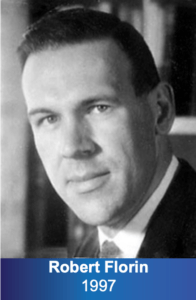 Dr. Robert Florin (1928–2018) was a respected neurosurgeon, educator, and advocate whose contributions to the field extended beyond the operating room. He earned his medical degree from the University of Southern California (USC) School of Medicine in 1954 and went on to maintain a successful private neurosurgical practice for more than four decades. In addition to his clinical work, he served as a Clinical Professor of Neurosurgery at USC, where he mentored numerous students and residents.
Dr. Florin was deeply engaged in organized neurosurgery, with a particular interest in the socioeconomic issues affecting neurosurgical practice. He worked to elevate awareness around healthcare policy, physician reimbursement, and practice sustainability, topics that remain central to the field today.
In recognition of his enduring impact, the American Association of Neurological Surgeons (AANS), in collaboration with the Council of State Neurosurgical Societies (CSNS), established the Robert Florin, MD Resident Award. This award is presented annually to a neurosurgery resident for exceptional research on socioeconomic topics and continues to honor Dr. Florin’s legacy of advocacy and mentorship.
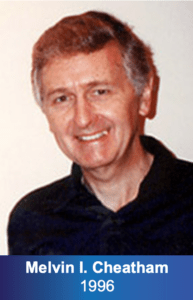
Dr. Melvin L. Cheatham is a renowned neurosurgeon, educator, author, and humanitarian whose career has spanned over five decades. He received his medical degree from the University of Kansas School of Medicine in 1959 and completed neurosurgical training at both the University of California, San Francisco and the University of Kansas.
Dr. Cheatham practiced neurosurgery in Ventura, California, and held a faculty appointment as Clinical Professor of Neurosurgery at UCLA. He served as President of both the California Association of Neurological Surgeons and the Western Neurosurgical Society, playing key roles in advancing organized neurosurgery in the western United States.
At age 50, Dr. Cheatham shifted his focus to humanitarian medicine, working with World Medical Mission, the relief arm of Samaritan’s Purse. He and his wife, Sylvia, have provided medical care in more than 40 countries, including Rwanda, Somalia, and North Korea. He also served on the boards of Samaritan’s Purse and the Billy Graham Evangelistic Association.
An accomplished author, Dr. Cheatham has written several books that blend his medical experience with his faith-based humanitarian work, including Come Walk With Me and Make a Difference: Responding to God’s Call to Love the World.
His lifetime of service has earned him numerous accolades, including Rotary International’s “Humanitarian of the Year” for District 5240.
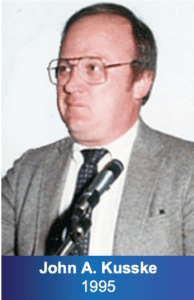
Dr. John A. Kusske is a respected neurosurgeon, educator, and expert in healthcare policy whose career spans decades of clinical innovation, academic leadership and systems-based reform. He earned his medical degree from the University of California, San Francisco (UCSF) in 1963 and completed his neurosurgical residency at the University of Washington in Seattle in 1972.
Dr. Kusske later joined the faculty at the University of California, Irvine (UCI) School of Medicine, where he served as Professor and Interim Chair of the Department of Neurological Surgery. Now Professor Emeritus, he played a vital role in shaping neurosurgical education and became a key voice in healthcare delivery reform, particularly in the areas of financing, access and cost-effective care.
His academic work has included research on neurosurgical outcomes, healthcare systems and sustainable care models. He has remained active in numerous professional societies throughout his career, including the American Association of Neurological Surgeons (AANS), Congress of Neurological Surgeons (CNS) and the California Association of Neurological Surgeons (CANS).
In recognition of his leadership and service, Dr. Kusske received the Byron Cone Pevehouse Distinguished Service Award from CANS in 2000 and the Distinguished Service Award from the AANS in 2004, both underscoring his enduring contributions to the field of neurosurgery and health policy.
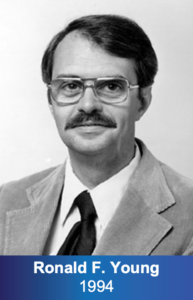
Dr. Ronald F. Young is an internationally recognized neurosurgeon known for his groundbreaking work in stereotactic radiosurgery and his pioneering role in advancing Gamma Knife technology in the United States. He earned his M.D. in 1965 from the University at Buffalo School of Medicine and completed his neurosurgical training at the Long Beach VA Hospital and SUNY Upstate Medical Center in Syracuse, New York.
Dr. Young held academic positions at SUNY Upstate, UCLA, and the University of California, Irvine, where he served as Professor and Chief of Neurosurgery. In 1993, he co-founded the Gamma Knife Center at Los Robles Regional Medical Center in Thousand Oaks, California. He later became Medical Director of Gamma Knife Centers in both Thousand Oaks and Seattle, playing a critical role in expanding access to non-invasive treatments for brain tumors, arteriovenous malformations (AVMs), trigeminal neuralgia, tremor and Parkinson’s disease.
Throughout his career, Dr. Young has remained committed to advancing neurosurgical care through clinical innovation, research, and education. He has authored more than 100 peer-reviewed publications and book chapters, and has served as a visiting professor and consultant on Gamma Knife programs throughout North America, Europe and Asia.
He has also held numerous leadership roles, including President of the Western Neurosurgical Society, the Society of University Neurosurgeons and the Southern California Neurosurgical Society. In recognition of his expertise, he has served as an extramural grant reviewer for the U.S. Public Health Service since 1989.
Although he formally retired from surgical practice in 2018, Dr. Young continues to contribute to the medical field through writing, mentorship and ongoing advisory work. His legacy is defined by decades of clinical excellence, global impact and dedication to advancing the field of neurosurgery.
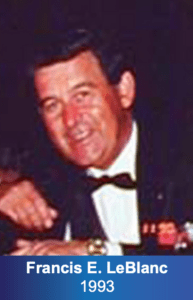
Dr. Francis E. LeBlanc is a distinguished Canadian neurosurgeon, educator, and medical leader who played a foundational role in the development of neurosurgical care in Alberta. A pivotal figure in the establishment of the University of Calgary’s neurosurgical program, Dr. LeBlanc helped transform a regional service into a comprehensive academic and clinical enterprise, advancing both patient care and medical education in Western Canada.
Throughout his career, Dr. LeBlanc demonstrated broad expertise in treating brain tumors, epilepsy, movement disorders and traumatic brain injuries. He also contributed significantly to neurosurgical research. His notable publications include a comparative study evaluating chemonucleolysis versus surgical discectomy in the management of sciatica, which helped inform clinical decision- making for lumbar disc disease.
Dr. LeBlanc was also deeply committed to organized neurosurgery. He participated in numerous national and international conferences and served as President of the Western Neurosurgical Society in 1993. His leadership and mentorship have had a lasting impact on trainees, colleagues and the neurosurgical field in Canada.
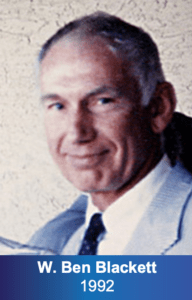
Dr. W. Ben Blackett, is a distinguished neurosurgeon and medical-legal expert who has significantly contributed to neurosurgical practice, ethics, and professional conduct. Based in Tacoma, Washington, Dr. Blackett earned his medical degree from the University of Michigan Medical School in 1958 and has practiced neurological surgery for over six decades.
In addition to his clinical work, Dr. Blackett pursued legal studies, obtaining a Juris Doctor degree, which uniquely positioned him at the intersection of medicine and law. He became a leading authority on medical ethics and expert testimony, serving as Chairman of the Professional Conduct Committee of the American Association of Neurological Surgeons (AANS). In this role, he oversaw the review of expert witness testimony to ensure adherence to ethical standards and impartiality in legal proceedings.
Dr. Blackett’s contributions to the neurosurgical community have been recognized with several prestigious awards. In 1999, he received the AANS Distinguished Service Award for his exceptional service to the field. He was also honored with the Leibrock Lifetime Achievement Award by the Council of State Neurosurgical Societies (CSNS) in 2006, acknowledging his enduring impact on neurosurgical practice and policy.
Throughout his career, Dr. Blackett has been an advocate for ethical medical practice and has played a pivotal role in shaping policies related to expert testimony and professional conduct in neurosurgery.
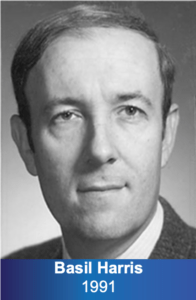
Dr. Basil Harris (1929–2012) was a pioneering neurosurgeon, educator and innovator known for his contributions to neurosurgical techniques, instrument design and resident training. A cum laude graduate of Birmingham-Southern College, he earned his MD from the Medical College of Alabama in 1954 and completed neurosurgery training at Barnes Hospital in St. Louis. He later served as a Captain in the U.S. Army.
In 1967, Dr. Harris joined the faculty at the University of Washington School of Medicine, where he served until his retirement in 2001 and was named Professor Emeritus. He was a dedicated educator remembered for his signature phrase, “Watch and learn” and his deep influence on generations of neurosurgeons.
Dr. Harris held several leadership roles in organized neurosurgery, including President of the Western Neurosurgical Society in 1991, President of the Washington Association of Neurological Surgeons (1978–1980) and Board Member of the American Association of Neurological Surgeons 1987. He also worked with national research initiatives through the NIH, NSF and AANS/CNS Joint Council.
Outside of medicine, Dr. Harris enjoyed gardening, skiing, and oyster farming on Camano Island, Washington.
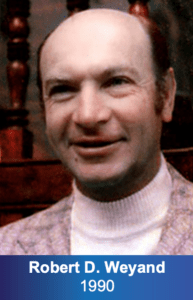
Dr. Robert D. Weyand (1923–2022) was a highly respected neurosurgeon, educator, and pioneer in academic medicine. A graduate of the University of California, San Francisco (UCSF) School of Medicine in 1945, Dr. Weyand devoted his career to advancing the field of neurosurgery through both clinical innovation and medical education.
After completing his surgical training, Dr. Weyand joined the faculty at UCSF, where he played a central role in teaching neuroanatomy and mentoring neurosurgery residents. His thoughtful approach to patient care and surgical precision earned him recognition among peers and students alike. Dr. Weyand contributed to shaping modern neurosurgical practice and emphasized a strong foundation in anatomy and ethics in surgical training.
In addition to his academic contributions, Dr. Weyand served in various leadership capacities and was active in promoting the growth of neurosurgery on the West Coast during a formative time for the specialty. His legacy endures through the generations of neurosurgeons he helped train and inspire.
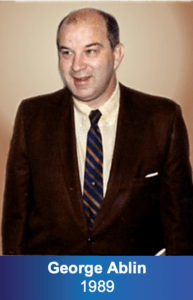 Dr. George Ablin (1923–1999) was a distinguished neurosurgeon, educator and leader in organized medicine. Born in Chicago, he earned both his Bachelor of Science and Doctor of Medicine degrees from the University of Michigan. Following an internship at Charity Hospital in New Orleans, he completed his neurosurgical residency at the University of Wisconsin. Dr. Ablin began his neurosurgical practice in Bakersfield, California, in 1953, where he remained a central figure in the medical community for decades.
In addition to his clinical work, Dr. Ablin was deeply involved in professional organizations. He served as President of the Kern County Medical Society in 1984 and held leadership roles within the California Medical Association. Nationally, he was the first Secretary of the Joint Socio-Economics Committee (JSEC), a collaborative effort between the American Association of Neurological Surgeons (AANS) and the Congress of Neurological Surgeons (CNS), which later evolved into the Council of State Neurosurgical Societies (CSNS).
Dr. Ablin was also instrumental in fostering global connections within the neurosurgical community. He initiated and managed the World Directory of Neurological Surgeons from his home, a project that laid the groundwork for a more interconnected global neurosurgical network.
His contributions were recognized with several prestigious honors, including Distinguished Service Awards from both the AANS and CNS. In 1989, he was named Kern County Physician of the Year. To honor his lasting impact on the field, the Western Neurosurgical Society established the George Ablin Lectureship in 2000.
Dr. Ablin’s legacy is defined by his unwavering dedication to neurosurgery, his leadership within the professional community, and his lasting influence as a mentor to future generations of neurosurgeons.
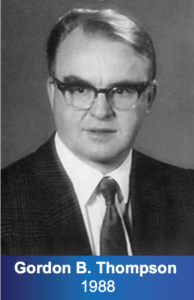 Dr. Gordon B. Thompson (1925–2022) was a foundational figure in Canadian neurosurgery, known for his transformative leadership at the University of British Columbia (UBC) and lasting influence on surgical education. A native of Saskatchewan, he studied medicine at McGill University and trained under the legendary Drs. Wilder Penfield and William Cone at the Montreal Neurological Institute, an experience that deeply shaped his clinical and academic path.
After joining UBC and Vancouver General Hospital in 1960, Dr. Thompson succeeded Dr. Frank Turnbull as Head of Neurosurgery in 1966. He led the division for 24 years, during which he established UBC’s first formal neurosurgical residency program and expanded its strengths in tumor, spine and epilepsy surgery. His partnership with Dr. Juhn Wada brought international acclaim to UBC’s epilepsy program for its innovative techniques and outstanding
outcomes.
Beyond Vancouver, Dr. Thompson was a respected national and international leader. He served as President of the Canadian Neurosurgical Society, the North Pacific Neurosurgical Society and the Western Neurosurgical Society in 1988. He also chaired the Royal College Neurosurgical Exam Committee for a decade, helping set training standards across Canada. Dr. Thompson’s legacy endures through the countless surgeons he mentored and the program he built with vision and humility.
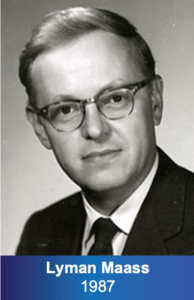 Dr. Lyman Maass (1918–2006) was an accomplished neurosurgeon based in Sacramento, California, whose career was marked by clinical excellence, academic contribution and dedicated leadership. He played a pivotal role in advancing neurosurgical practices and was deeply involved in the neurosurgical community.
Throughout his career, Dr. Maass contributed to the field through both practice and scholarship. His work included studies on complications in neurosurgical procedures, reflecting his commitment to improving patient outcomes and surgical techniques. His insights were shared in professional gatherings, such as the Western Neurosurgical Society meetings, where he presented on complex cases and their management.
In 1987, Dr. Maass served as President of the Western Neurosurgical Society, recognizing his leadership and contributions to the field. His tenure was noted for fostering professional development and collaboration among neurosurgeons. Beyond this role, he also served as President of the California Association of Neurological Surgeons, further exemplifying his dedication to the advancement of neurosurgery at both state and regional levels.
Dr. Maass’s legacy is remembered for his commitment to neurosurgical excellence and his leadership within the professional community. His contributions have left a lasting impact on the field and continue to inspire neurosurgeons today.
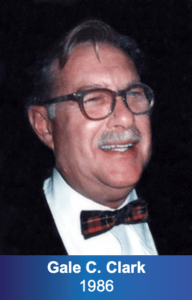 Dr. Gale C. Clark was a distinguished neurosurgeon based in Oakland, California, whose career was marked by clinical excellence and dedicated service to the neurosurgical community. He was an active member of the Western Neurosurgical Society (WNS), contributing significantly to its growth and development. Dr. Clark served as the Society’s Historian from 1983 to 1984 and became President in 1986, reflecting the high esteem in which he was held by his peers.
Beyond his leadership roles within the WNS, Dr. Clark was also a member of the American Academy of Neurological Surgery, joining in 1970 and maintaining active involvement until 1996. His commitment to the field extended beyond his clinical practice, as he played a pivotal role in mentoring young neurosurgeons and contributing to the advancement of neurosurgical techniques and education.
Dr. Clark is remembered not only for his professional achievements, but also for the generosity of his mentorship and the legacy he left within the neurosurgical community, a legacy defined by service, leadership and a deep commitment to the next generation of neurosurgeons.
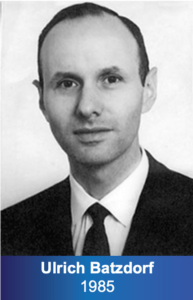 Dr. Ulrich Batzdorf is a revered figure in neurosurgery, celebrated for his pioneering contributions to spinal surgery and his dedication to patient care and training. After earning a master’s in biochemistry at Rutgers and his medical degree from New York Medical College in 1955, he completed surgical training at the University of Maryland, neurology at Queen Square in London, and a neurosurgery residency at UCLA, completing his training in 1966.
Joining the UCLA faculty immediately thereafter, Dr. Batzdorf rose through the academic ranks to become Professor and Director of Spinal Neurosurgery. For over five decades, he has led the UCLA Spine Center, treating Chiari malformation, syringomyelia, spinal tumors, and cervical myelopathy with cutting-edge techniques. His career spans more than 70 years, marked by clinical longevity, scholarly leadership and an unwavering commitment to teaching.
A past President of the Western Neurosurgical Society, Dr. Batzdorf has played a key role in guiding Southern California’s neurosurgical community. He co-established the Ulrich Batzdorf Fund through the Neurosurgery Research & Education Foundation to honor mentorship and advance spinal cord injury research, reflecting his passion for education and innovation.
His legacy is preserved in the countless residents and fellows who trained under him and the patients who benefited from his skill and compassion. Dr. Batzdorf remains a living testament to lifelong scholarly pursuit and surgical excellence.
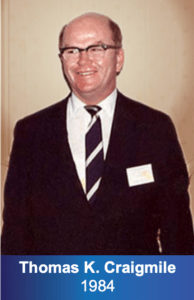 Dr. Thomas Kay Craigmile (1924–2002) was a foundational leader in neurosurgery whose influence resonated deeply across the Rocky Mountain region. A native of Oakville, Indiana, he completed his undergraduate studies at Ball State University before earning his medical degree at Northwestern University. His post-graduate path included a neurology residency influenced by the pioneering neurosurgical training of Dr. W. Keasley Welch at Queen Square and UCLA, setting the stage for a notable career in neurological care.
His professional journey brought him to Denver, where he became the University of Colorado’s first fully certified neurosurgical resident under Dr. Welch in 1957, a milestone for the emerging Western program. Dr. Craigmile remained in private practice in Denver throughout his career, building a local reputation for excellence in cerebrovascular and spinal surgery and was actively involved in teaching at the University of Colorado School of Medicine.
In 1984, Dr. Craigmile was honored to serve as President of the Western Neurosurgical Society, recognized by peers for his clinical acumen and commitment to regional collaboration. He also contributed significantly to the Rocky Mountain Neurosurgical Society and engaged in continuing medical education programs well into his later years.
Dr. Craigmile passed away in 2002, leaving behind a legacy defined by technical excellence, generous mentorship and steady leadership. He is fondly remembered by colleagues and former trainees alike for his professionalism, kindness and enduring contributions to neurosurgery in the Rocky Mountain region.
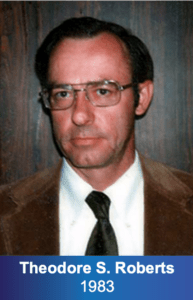 Dr. Theodore S. Roberts was a pioneering neurosurgeon and dedicated educator whose contributions helped shape the landscape of neurological surgery in the Western United States. Trained at the University of Utah, where he later joined the faculty, Dr. Roberts played a formative role in the development of neurosurgical training and patient care in the Mountain West.
A true academic clinician, Dr. Roberts was known for his early adoption of emerging techniques and for his ability to bridge traditional neurosurgical approaches with new technologies. In the 1980s, he was among the early champions of frameless stereotactic guidance, which would later become a mainstay in brain surgery. He also made key contributions to pediatric neurosurgery, particularly after joining the University of Washington in Seattle, where he focused on complex craniofacial and spinal disorders in children.
Dr. Roberts served as President of the Western Neurosurgical Society in 1983, a reflection of his stature among colleagues and his commitment to advancing neurosurgical education across the region. He was known not only for his surgical precision but also for his calm leadership, sense of humor and devotion to mentorship.
He sadly passed away in 2007. Dr. Roberts is remembered for his clinical integrity, his teaching, and his lasting impact on both patients and future generations of neurosurgeons.
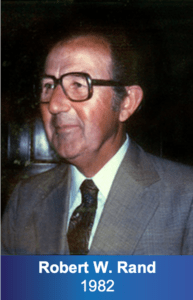 Dr. Robert W. Rand (1923–2013) was an extraordinary neurosurgeon whose career was defined by innovation, scholarship, and compassionate patient care. Born in Los Angeles in 1923, he was deeply inspired by his father, Dr. Carl
Wheeler Rand, himself an early neurosurgical pioneer. After completing undergraduate studies at Harvard and a medical degree from USC, Dr. Rand trained in neurological surgery and earned both an M.S. in Surgery and a Ph.D. in Anatomy at the University of Michigan, establishing a rare combination of clinical and academic expertise.
Upon joining UCLA in 1953, Dr. Rand pioneered microneurosurgery and became one of the earliest to use a surgical microscope in brain operations, transforming outcomes for brain and spine patients. He was also a gifted inventor and clinician who introduced novel procedures such as stereotactic cryosurgery for Parkinson’s disease and pituitary tumors, and brought the first Gamma Knife to the U.S., cementing its role in precision radiotherapy. His work extended further with innovations like the Cobalt Scalpel for targeted radiation and thermomagnetic techniques for cancer treatment.
A prolific scholar, Dr. Rand authored around 300 papers and eight influential textbooks, including Microneurosurgery and Cryosurgery. He received the UCLA Professional Achievement Award in 1975 and a Lifetime Achievement Award from the International College of Surgeons in 1995. In 1982, he also served as President of the Western Neurosurgical Society, guiding the society through a dynamic period of technological advancement.
Dr. Rand practiced actively until his passing in 2013, at the age of 90. His legacy endures through the generations of surgeons he trained, the innovations he introduced and the many patients who benefited from his visionary approach to neurosurgery.
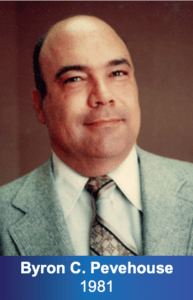 Dr. Byron C. Pevehouse (1927–2010) was a distinguished neurosurgeon and community leader whose career bridged clinical innovation, education and professional advocacy. Trained at Baylor College of Medicine (M.D., 1952), he earned a reputation as a leading neurologic surgeon in the Pacific Northwest. He served as Chief of Neurosurgical Services at UCSF’s San Francisco General Hospital and led the Pediatric Neurosurgery Division there, developing a specialty practice in cranial and spinal disorders among children.
Known for his clarity of thought and systematic approach, Dr. Pevehouse became a national authority on neurosurgical coding and health policy. His expertise was sought by the American Association of Neurological Surgeons (AANS) and in 1976 he authored the Society’s Presidential address on residency training including neurosurgical billing guidelines. To students and residents, he was a patient and thorough mentor whose lectures inspired many to pursue academic neurosurgery.
In recognition of his professional accomplishments and service, Dr. Pevehouse served as President of the Western Neurosurgical Society in 1981. Under his leadership, the Society emphasized structured education, mentorship, and interdisciplinary collaboration across Northern California and beyond.
Dr. Pevehouse’s influence extended into retirement as he continued teaching and advising, leaving a legacy of thoughtful leadership and educational rigor. His presence remains vivid among those who trained with him and the institutions he enriched.
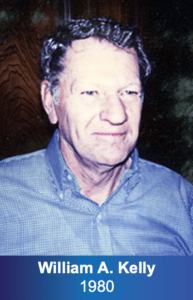 Dr. William A. Kelly (1927–2016) was a revered neurosurgeon and beloved educator whose legacy endures through both his surgical innovations and his mentorship. A Cincinnati native, he earned his medical degree from the University of Cincinnati in 1954 and completed his neurosurgical residency at the University of Washington by 1961, whereupon he joined the faculty and became a cornerstone of the department.
His clinical expertise was wide-ranging, with a special focus on pituitary surgery and acoustic neuromas. Dr. Kelly performed the first trans-sphenoidal pituitary operation in Washington state, demonstrating both technical mastery and a pioneering spirit. He served as Acting Chairman of the Department of Neurological Surgery at UW from 1981 to 1983 and was deeply involved in advancing neurosurgical training through tireless dedication to residents and junior faculty.
In 1980, Dr. Kelly’s leadership was recognized as he served as President of the Western Neurosurgical Society. His presidency reflected his commitment to surgical education, collegial collaboration, and patient-centered care, values that remained central to his professional life at large.
Beyond academia, Dr. Kelly was known for his warmth, humility and laughter. An avid outdoorsman and devoted husband of 61 years, he balanced demanding work with weekend pursuits, hunting, fishing, golfing and even building a family cabin in the Cascades. He passed away on December 15, 2016, leaving behind a legacy marked by excellence, generosity and community
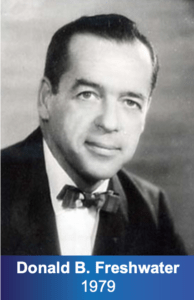 Dr. Donald B. Freshwater (1916–2009) was a respected neurosurgeon and educator known for his dedication to advancing brain tumor research and neurosurgical education. After earning his medical degree, he served as a clinical professor of neurosurgery at the University of Southern California, where he combined teaching with active research.
A committed investigator, Dr. Freshwater conducted pivotal studies on brain tumors at the Huntington Memorial Research Institute, contributing to the understanding of postoperative complications and tumor biology. His work was frequently published in Surgical Clinics of North America, underscoring his influence on surgical practice.
In recognition of his contributions to the field, Dr. Freshwater belonged to numerous medical associations and societies, serving as president of the Western Neurosurgical Society in 1979. In this leadership role, he emphasized the importance of research, education, and professional collaboration, while continuing to author influential papers in his field through 1987.
Dr. Freshwater passed away in 2009, remembered for his warmth, intellect, and deep commitment to patient care and mentorship. His legacy endures through the countless trainees and patients who benefited from his guidance and skill.
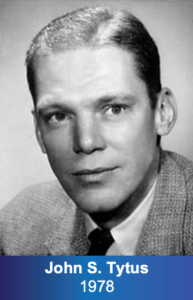 Dr. John S. Tytus (1921–2011) was a transformative neurosurgeon whose leadership and vision profoundly shaped the Pacific Northwest’s neurological care. After earning his medical degree and completing his residency at the University of Washington in Seattle, he launched a distinguished academic and clinical career. His surgical skill, combined with a warm and collaborative demeanor, quickly made him a respected figure among peers and trainees alike.
In 1978, Dr. Tytus served as President of the Western Neurosurgical Society, reflecting widespread recognition of his contributions to neurosurgical education, professional development and regional networking. During his tenure, he promoted structured training programs and fostered closer collaboration among neurosurgeons across Western states and Canada.
Beyond the presidency, Dr. Tytus served as section head of neurosurgery at The Mason Clinic in Seattle. He was known for his mentorship, pioneering techniques in acoustic tumor surgery, and efforts to bridge neurosurgery and otology in team-based practice, advancing patient care through interdisciplinary cooperation.
Dr. Tytus passed away in 2011, leaving behind a legacy defined by surgical innovation, educational leadership and a deep commitment to regional collaboration in neurosurgery. His influence continues to guide the field through the trainees he inspired and the institutions he strengthened.
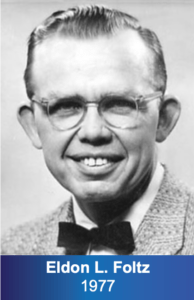 Dr. Eldon L. Foltz (1919–2013) was a visionary neurosurgeon whose pioneering contributions in hydrocephalus, pediatric care, and functional neurosurgery left a lasting mark on the field. Born in Fort Collins, Colorado, and raised in Michigan, he earned his B.S. (Magna Cum Laude, 1941) and M.D. (1943) from the University of Michigan before serving with honor in the U.S. Navy corps.
After postgraduate training in neurosurgery at Dartmouth and the University of Louisville, Dr. Foltz pursued advanced research in neuroanatomy and neuropathology. As a faculty member at the University of Washington, he conducted fundamental studies on coma, hydrocephalus and cingulotomy. In 1969, he was appointed Chair of Neurosurgery at UC Irvine, where he and his team trained 20 neurosurgeons and explored groundbreaking CSF transport mechanisms in hydrocephalus.
A leader in both clinical practice and education, Dr. Foltz was actively involved in the Western Neurosurgical Society and chaired multiple national neurosurgical organizations. Throughout his career, he balanced surgical innovation with mentorship and stewardship, from pioneering selective cingulotomy to conducting controlled pediatric shunt studies.
Beyond the operating room, Dr. Foltz’s genuine warmth was evident in his love of music, photography, hiking and sailing. He raced sailboats on Lake Washington and later in Dana Point, collecting nearly 100 trophies. He was a devoted family man, husband to Kay, father to five and a supporter of community and church life.
Dr. Foltz passed away in 2013 at the age of 94. He is remembered as a clinician, educator, and mentor whose legacy continues to inspire neurosurgeons,
researchers and patients alike
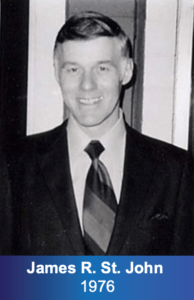 Dr. James R. St. John was a prominent neurosurgeon and respected leader within the Western Neurosurgical Society. His steady presence was felt through long-term service in key society roles, including Secretary‑Treasurer in the mid‑1960s and culminated serving as President in 1976. His peers valued his organizational insight and commitment to advancing neurosurgical collaboration throughout the Western region.
Practicing out of Santa Barbara, California, Dr. St. John also contributed significantly at the local and state levels, serving on various medical boards and supporting structured education for neurosurgical trainees. He was known for his methodical approach, professional integrity and dedication to regional professional development.
Dr. St. John’s steady leadership and unwavering commitment over decades helped shape the Western Neurosurgical Society into a lasting institution, securing his place as one of its foundational pill
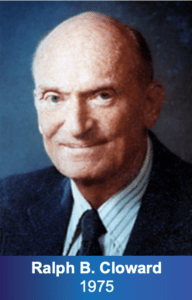 Dr. Ralph B. Cloward (1908–2000) was a pioneering spine surgeon whose work transformed neurosurgical practice. Born in Salt Lake City, Utah, on September 24, 1908, he completed his medical and neurosurgical training at the University of Utah and Rush Medical College, followed by residency at the University of Chicago. In 1938, he moved to Honolulu, where he was the territory’s only neurosurgeon, and expertly managed more than 40 wartime cranial trauma cases after the attack on Pearl Harbor.
A true innovator, Dr. Cloward developed key spinal procedures that are now foundational in neurosurgery, including posterior lumbar interbody fusion (PLIF) and anterior cervical discectomy and fusion (ACDF). He designed over 100 surgical instruments, established Hawaii’s first bone bank, and shared his pioneering techniques nationally and internationally. His work earned him the reputation of a “spine polymath” and significantly advanced surgical standards (e.g. ACDF, PLIF).
In 1975, Dr. Cloward was honored by his colleagues as President of the Western Neurosurgical Society, recognition of his immense contributions to the field. Following his passing in 2010, the WNS established the Cloward Award in his name to honor continued excellence in spine surgery and innovation.
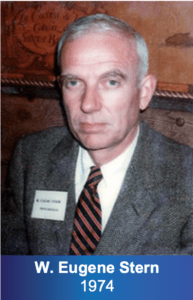 Dr. W. Eugene Stern (1920–2017) was a foundational leader in modern neurosurgery and education. A native of Portland, Oregon, he earned both his B.A. and M.D. from the University of California and served as a Captain in the U.S. Medical Corps from 1946 to 1948. After completing neurosurgical training at the University of California under Dr. Howard Naffziger and a fellowship in London and Johns Hopkins, he joined the UCLA faculty in 1952 as the inaugural Chief of Neurosurgery.
For more than three decades, Dr. Stern built UCLA’s neurosurgical program into a nationally renowned center. He served as Department Chair between 1981 and 1987 and mentored generations of surgeons in collaboration with affiliated hospitals. His influence extended beyond UCLA, he led major surgical organizations, including serving as President of the Western Neurosurgical Society in 1974.
In both clinical and academic realms, Dr. Stern was a steadying presence. He chaired the Journal of Neurosurgery editorial board, held leadership roles with the American Board of Neurological Surgery and was honored with the AANS Cushing Medal. Known for combining humility, wit, and rigorous scholarship, his legacy remains strong.
Dr. Stern passed away in 2017 at the age of 97. He is remembered as a visionary educator, a pioneering clinician and a guiding figure in the neurosurgical community.
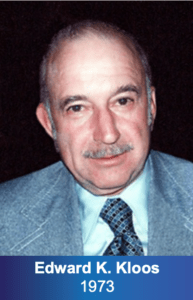 Dr. Edward K. Kloos was a respected neurosurgeon based in Portland, Oregon, whose long-standing practice and steady leadership underscored his deep dedication to both patient care and the neurosurgical community. Graduating from the University of Rochester School of Medicine in 1938, he spent decades building a distinguished career in neurological surgery and
medical education.
Beyond his day‑to‑day practice, Dr. Kloos played a significant institutional role. He was listed as a prominent active member of the Western Neurosurgical Society by the 1950s and served as the Society’s President in 1973, evidence of his peer‐recognized leadership and commitment to regional professional development.
His colleagues remember him as methodical, collegial, and deeply committed to advancing neurosurgical standards. His service in organized medicine reflected both professionalism and a desire to foster collaboration throughout the Western states. Dr. Kloos is remembered for a legacy cherished by peers and patients alike, defined by his thoughtful care and enduring contributions to the neurosurgical field.
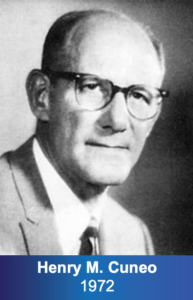 Dr. Henry M. Cuneo (1907–1983) was a distinguished neurosurgeon based in Los Angeles, renowned for his clinical excellence, steady leadership, and contributions to landmark moments in medical history. A graduate of Baylor College of Medicine, he went on to serve as an Associate Clinical Professor of Neurosurgery at the University of Southern California while maintaining an
active private practice focused on trauma and cranial surgery.
He is perhaps best remembered for his role in the emergency operation to save Senator Robert F. Kennedy following the 1968 assassination attempt. Dr. Cuneo was among the neurosurgeons who operated for more than three hours at Good Samaritan Hospital in Los Angeles. Though the attempt was ultimately unsuccessful, the composure and expertise demonstrated by Dr. Cuneo and his team left a lasting impression on the public and medical communities.
In 1972, he served as President of the Western Neurosurgical Society, a role that reflected his reputation as a steady, experienced clinician and leader. His longstanding affiliation with the Society and dedication to neurosurgical progress made him a valued mentor and contributor to the organization’s early development.
Dr. Cuneo passed away in 1983. He is remembered as a courageous and capable neurosurgeon whose work touched lives both in the operating room and across the professional community he helped build.
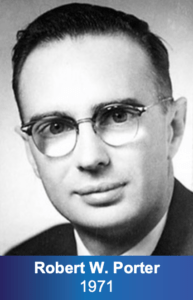 Dr. Robert W. Porter (1926–2021) was a distinguished neurosurgeon, academic, and founding member of the Brain Research Institute. Born in San Diego in 1926, he pursued advanced training at Northwestern University and UCLA before completing a neurosurgical residency at the Veterans Administration Hospital in Long Beach, California. His early work included a fellowship in neuroscience and pivotal research in autonomic brainstem interactions.
In 1969, Dr. Porter joined the faculty at the University of California, Irvine School of Medicine as Professor of Neurological Surgery and later became Professor Emeritus. He was appointed Chief of Neurosurgical Service at the Long Beach VA Hospital in 1958, where he also led research efforts. His scholarly output over 120 publications, covered topics ranging from spinal cord injury to functional stereotaxy.
A dedicated educator, Dr. Porter taught neurosurgical residents at UCLA and Irvine and even lectured internationally, including at the University of Edinburgh. He served as President of the Western Neurosurgical Society in 1971, reflecting his standing in the regional community. Notably, he was a co-founder of the Brain Research Institute, helping to bridge clinical neurosurgery with interdisciplinary neuroscience research.
Dr. Porter passed in 2021, at age 94. He is remembered for his clinical skill, academic leadership and enduring dedication to neurosurgical advancement.
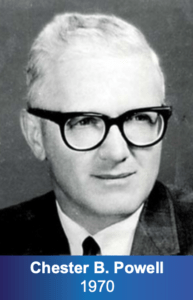 Dr. Chester B. Powell (1918–1997) was Utah’s first board-certified neurosurgeon and a steadfast leader whose clinical service extended across the Intermountain West. Born in Chicago in 1918, he earned his M.D. from the University of Chicago in 1943. Mid-residency, he was called to military service, where he trained in Brigham City, Utah, beginning a lifelong connection with the
region. He later served during the U.S. occupation in Japan before returning to complete his residency and establishing his practice in Salt Lake City.
Throughout his career, Dr. Powell was renowned for serving patients across Utah and neighboring mountain states, often under challenging conditions. In 1970, his dedication to neurosurgical education and regional collaboration culminated in his presidency of the Western Neurosurgical Society. Locally, he was equally influential in medical leadership and community service, shaping
both professional and civic spheres.
A lifelong skier and lover of the outdoors, Dr. Powell balanced a demanding emergency practice with weekends spent exploring the Rocky Mountains. He remained active in medicine well into later life and passed away in 1997, at the age of 78.
His legacy endures in the generations of neurosurgeons he trained and in the strong community ties he fostered throughout his career.
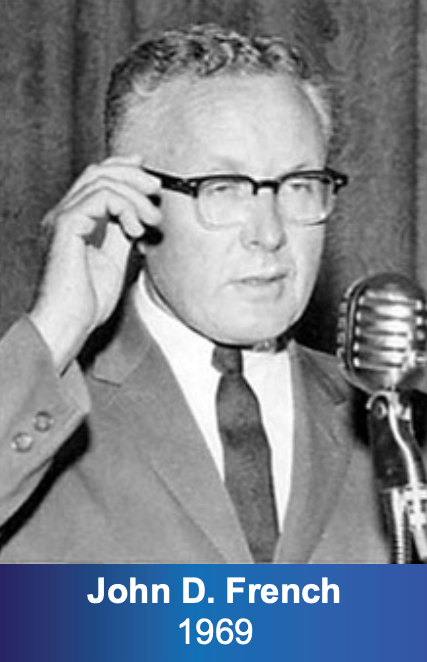 Dr. John D. French (1921–1989) was a pioneering neurosurgeon and visionary researcher whose career left an indelible mark on both clinical practice and neuroscience. A distinguished neurosurgical educator, he gained early leadership experience as Director of Neurosurgical Training at Long Beach VA Hospital. He went on to become the founding Director of UCLA’s Brain Research
Institute, a position he held for two decades, during which he advanced the study of epilepsy, coma, anesthesia, sleep, and wakefulness.
A formative leader in regional professional circles, Dr. French served as President of the Western Neurosurgical Society in 1969, demonstrating his dedication to training, research, and collaboration across the Western states.
Later in life, Dr. French and his wife, opera star Dorothy Kirsten, established the John Douglas French Alzheimer’s Foundation and its dedicated care center, extending his commitment to neurological care into public health advocacy and long-term patient support.
He passed away in 1989. Dr. French is remembered as an inspiring clinician, scientist whose influence continues through the Institute he founded, the Foundation that bears his name, and the many neuroscientists and neurosurgeons he mentored.
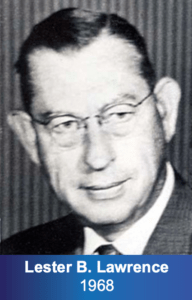 Dr. Lester B. Lawrence was a respected neurosurgeon practicing in Oakland, California, whose professional career was marked by unwavering commitment to regional collaboration and mentorship. His dedication to the Western Neurosurgical Society spanned decades, during which he served on key organizational committees and shaped the Society’s direction during a pivotal
era.
Dr. Lawrence’s peers recognized his leadership and vision when they elected him President of the Western Neurosurgical Society, a role in which he promoted structured education, collegiality, and high professional standards. Under his tenure, the Society strengthened its collaborative ethos, laying foundations that would support regional networking and shared learning for years to come .
Beyond his presidency, Dr. Lawrence remained active in organizational planning contributing to multiple meeting committees and mentoring younger practitioners in the field. His methodical approach and integrity left a lasting impression on the Society’s culture and operations .
Dr. Lawrence passed away shortly after his term as President, yet his legacy lived on. The spirit of cooperation, professionalism, and collegiality he fostered continues to be a guiding force within the Western Neurosurgical Society to this da
 Dr. Arthur A. Ward, Jr. (1916–1997) was a visionary neurosurgeon who established the University of Washington’s Department of Neurological Surgery as a national leader. Born in 1916 in Manipay, he moved to the U.S. at age 15, graduating from Yale University and Yale Medical School in 1942. He then trained under Dr. Wilder Penfield at the Montreal Neurological Institute, gaining deep expertise in epilepsy and brain surgery.
In 1948, at just 32, Dr. Ward joined the fledgling UW medical faculty as its sole neurosurgeon. Over the next three decades, he built the department from a one-person division into a major academic powerhouse. As founding Chairman, he trained 44 residents, guided significant research in epilepsy, and was the driving force behind establishing the Northwest Regional Epilepsy Center in 1976.
Dr. Ward’s leadership extended well into his profession, he served as President of the Western Neurosurgical Society and the American Academy of
Neurological Surgeons and edited the journal Epilepsia. Beyond the hospital, he was an avid skier, boater, and golfer, known for tackling mountain descents “straight down” and driving sports cars with characteristic flair.
He passed away in 1997. Dr. Ward is remembered for his creative spirit, collaborative leadership, and enduring contributions to neurosurgical training
and epilepsy care in the Pacific Northwest.
 Dr. John R. Green (1921–1990) was Arizona’s first neurosurgeon and the visionary founder of what would become the renowned Barrow Neurological Institute. After earning his M.D. from Northwestern University in 1941, he completed his residency in Chicago and served in the Philippines during World War II. In 1947, he moved to Phoenix, establishing Arizona’s first neurological unit and the first EEG laboratories in several major hospitals.
His groundbreaking work gained national attention in the mid‑1950s when he treated Julia Barrow’s brain tumor. This case prompted her husband to donate $500,000 to establish the Barrow Neurological Institute in 1962, an institution Dr.
Green led for over 25 years, guiding it to international prominence.
As a respected educator and leader, Dr. Green trained dozens of neurosurgeons, served on numerous academic and state medical committees,
and was elected President of the Western Neurosurgical Society in 1966. His leadership helped shape regional neurosurgical standards and fostered
cross‑state collaboration.
He retired from his hospital role in 1980 and remained a guiding force at Barrow until 1986. Dr. Green passed away in 1990, remembered as a pioneering clinician whose vision transformed neurological care in the American Southwest. His legacy lives on through the institute he founded and the surgeons he mentored.
 Dr. Edwin B. Boldrey (1906–1988) was a masterful neurosurgeon and educator whose career spanned nearly five decades at the University of California, San Francisco. Born in Morgantown, Indiana, in 1906, he earned an A.B. in English, followed by an M.S. in Anatomy and Psychology from DePauw University, and then his M.D. from Indiana University School of Medicine in 1932. He completed surgical training in Montreal, including residency at the Montreal Neurological Institute alongside Dr. Wilder Penfield, becoming a pioneer in mapping cortical motor and sensory areas.
In 1940, Dr. Boldrey joined UCSF as a faculty member in the Department of Neurological Surgery. He served as department chair from 1951 to 1956 and remained on faculty for 48 years. His influential contributions included introducing therapeutic radiation for cerebral arteriovenous malformations and brain tumors,and developing an anterior cervical discectomy technique that did not require spinal fusion. He was also among the first to perform total pituitary gland resections in patients with malignant melanoma.
An esteemed leader, Dr. Boldrey served as President of the Western Neurosurgical Society and the American Academy of Neurological Surgery, among others. He was the namesake of the Edwin B. Boldrey lectureship at UCSF and the San Francisco Neurological Society’s research award, honors
that reflect his lifelong commitment to education, research and mentorship. Dr. Boldrey passed away in 1988 at the age of 82. He is remembered as a compassionate clinician, exacting surgeon, and inspiring teacher, whose legacy continues to shape neurosurgical practice and training today.
 Dr. Frank M. Anderson was a highly respected neurosurgeon in Los Angeles whose career blended clinical excellence, academic contribution, and professional leadership. In 1964, he served as President of the Western Neurosurgical Society, where he guided thoughtful discussion on emerging neurosurgical challenges and helped foster a sense of collegiality across the Western states. His steady leadership reflected both his intellectual rigor and his commitment to advancing the profession.
Beyond his presidency, Dr. Anderson maintained a distinguished practice and remained closely involved with the academic medical community in California. He was admired as both a skilled surgeon and an engaging teacher, contributing to the growth of neurosurgical education and to the development of traditions and structures that strengthened the professional community. His interests in complex cranial and spinal conditions reflected his broader dedication to improving patient care through study, dialogue, and surgical innovation.
Colleagues remembered Dr. Anderson for his clarity of thought, collegial leadership, and vision for shaping professional gatherings into meaningful exchanges of knowledge. He left an enduring imprint not only through his clinical work but also through the mentorship and structure he brought to the field. His legacy continues to resonate in the professional identity and values of the neurosurgical community.
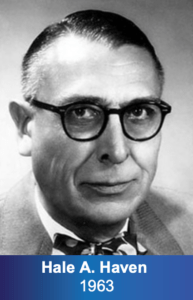 Dr. Hale A. Haven (1902–1964) was a distinguished neurosurgeon and naval officer, best known for founding the Neurosurgical Division at the Mason Clinic in Seattle and helping shape early neurosurgical practice in the Pacific Northwest. Born August 31, 1902, in Waterloo, Iowa, he graduated from Cornell College and Northwestern University School of Medicine before entering
surgical training at Wesley Memorial Hospital. There, he developed a lasting interest in neurosurgery under the mentorship of Dr. Allen B. Kanavel and Dr. Loyal Davis and ultimately earned his MD and PhD, with research into the cellular origin of gliomas.
In 1934, Dr. Haven established the Neurosurgical Division at the Mason Clinic in Seattle and became a Senior Consultant at the University of Washington Medical School, where he offered neurosurgical care at King County Hospital and Children’s Orthopedic Hospital. He first described what became known as “Haven’s Syndrome, ” highlighting arterial compression by the scalenus muscle in neck pain syndromes, an early example of careful attention to anatomical nuance.
He paused his practice during WWII to serve as a naval neurosurgeon, rising to the rank of Commander by his discharge in 1946. Active in professional leadership, he was President of the North Pacific Society of Neurology and Psychiatry (1942), the Harvey Cushing Society (1948), and the Western Society of Electroencephalography (1949). In 1963, he was elected President of the Western Neurosurgical Society, honoring his service to the field across local, national and regional levels.
Dr. Hale passed in 1964. Colleagues remember him as a meticulous clinician, a dedicated teacher, and a thoughtful innovator whose contributions helped lay the foundation for neurosurgical practice in the Pacific Northwest.
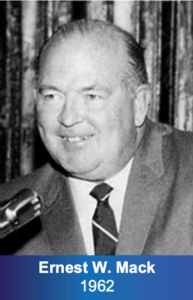 Dr. Ernest W. Mack (1912–2000) was a pioneering figure in Nevada’s neurosurgical landscape. Born and trained in the 1930s, he became the first neurosurgeon to establish a modern practice in Northern Nevada during the 1940s. His dedication laid the groundwork for advanced neurological care in the region.
An active leader within the Western Neurosurgical Society, Dr. Mack served as Secretary–Treasurer for several years before being elected President in 1962. He was a steady presence on the Society’s Executive Committee and chaired key internal leadership roles, including overseeing program planning and organizational growth.
Throughout his career, he bridged clinical excellence and professional development. Known as the “beginning of modern medicine in Northern
Nevada, ” he provided both neurosurgical care and mentorship at Looking Glass Regional Medical Center in Reno, serving the community for decades until his retirement.
Dr. Mack passed away in 2000 at age 87. He is remembered as a regional trailblazer, respected leader and foundational figure in Nevada’s neurological
care.
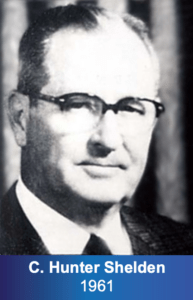 Dr. C. Hunter Shelden (1907–2003) was a trailblazing neurosurgeon who laid much of the groundwork for modern stereotactic and functional neurosurgery. Born in Minneapolis in 1907, he completed pre-medical studies at the University of Wisconsin before earning his M.D. in 1933. He trained in the early era of cerebral mapping and neurosurgical innovation, eventually establishing a thriving academic and clinical practice in Pasadena, California.
Dr. Shelden was a director and senior researcher at Huntington Medical Research Institutes, where his work advanced precise stereotactic techniques, including CT-guided microneurosurgery systems still referenced in today’s practice. He contributed more than 50 publications, many in collaboration with esteemed colleagues like Dr. Robert Pudenz. In honor of his contributions to the
field, “Hunter’s angle” a recognized anatomical term remains part of neurosurgical teaching.
An active member and leader, Dr. Shelden served as President of the Western Neurosurgical Society in 1961, cementing his role in mentoring future neurosurgeons and promoting collegial growth. He was also elected to the American Academy of Neurological Surgery in 1941 and remained engaged in education, research and evolving practice standards until shortly before his death.
Dr. Shelden passed away in 2003, leaving behind a legacy of surgical innovation, research excellence, and professional leadership that shaped neurosurgery on the West Coast and beyond.
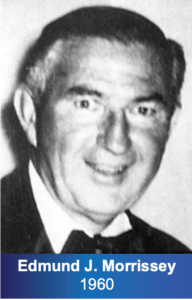 Dr. Edmund J. Morrissey (1896-1986) was a pioneering figure in early Californian neurosurgery, whose strong leadership and clinical insight greatly influenced regional neurological care. Born in San Francisco, he earned his pre-medical degree from Saint Ignatius College in 1917, then went on to graduate from the University of California Medical School. He began his career practicing neurology and surgery across prominent Bay Area hospitals, including Saint Mary’s, Saint Francis, and Seton, before becoming Chief of Staff at Saint Mary’s and a Clinical Professor of Surgery at Stanford. He went on to become the longest-serving Chief of Staff at Saint Mary’s Hospital, a role that defined much of his professional legacy.
A respected educator and professional leader, Dr. Morrissey served as President of both the San Francisco Medical Society and the Academy of Neurological Surgeons. In 1960, he became the president of the Western Neurosurgical Society, a capstone to his decades of service and mentorship. Beyond his official roles, Dr. Morrissey was deeply involved in community life, from academic governance to local civic clubs. His life reflected a blend of intellectual rigor and civic engagement, which helped elevate the status and practice of neurosurgery in Northern California.
He passed away in 1986, leaving behind a professional legacy rooted in education, institutional leadership and foundational contributions to regional neurosurgical care.
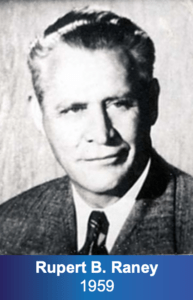 Dr. Rupert B. Raney (1900–1959) was an influential neurosurgeon whose clinical skill and innovative spirit helped shape mid‑20th-century neurosurgery. Born in Loogootee, Indiana, on October 16, 1900, he graduated from Creighton University School of Medicine in 1927 and completed a neurosurgery residency that would lay the foundation for a remarkable career.
He held faculty positions at the University of Southern California (USC) School of Medicine and was a member of numerous prestigious organizations, including the American Academy of Neurological Surgery, where he served as President in 1954, the Harvey Cushing Society, and the American Neurological Association. Known for pioneering neurosurgical instruments and publishing several influential articles, Dr. Raney practiced at institutions across Southern California, including the Good Samaritan, Queen of Angels, Cedars of Lebanon, and Long Beach VA Hospitals.
In 1959, Dr. Raney was honored by his peers with the Presidency of the Western Neurosurgical Society. His tenure highlighted regional collaboration, educational advancement, and a commitment to innovation. His passing was a profound loss, yet his legacy lives on through the techniques, tools, and mentees he influenced.
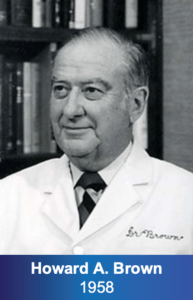 Dr. Howard A. Brown was a distinguished neurosurgeon based in San Francisco, California, and a respected figure in the early development of organized neurosurgery on the West Coast. He served as a Clinical Professor of Neurological Surgery at the University of California, San Francisco (UCSF), where he was involved in both patient care and medical education.
In private practice, Dr. Brown was based at 2001 Union Street in San Francisco and was known for his commitment to advancing the field of neurosurgery and mentoring future generations of neurosurgeons.
He was an active member of the Western Neurosurgical Society and played a key leadership role in its formative years. In recognition of his contributions, he served as the President of the Western Neurosurgical Society in 1958, helping to guide the organization during its early development.
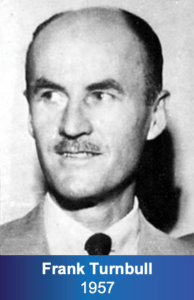 Dr. Frank Turnbull (1904–2000) was an innovative Canadian neurosurgeon, widely recognized as the first neurosurgeon to practice in Western Canada. After earning his MD from the University of Toronto in 1928, he trained under Dr. Kenneth McKenzie, Canada’s first neurosurgeon. In 1933, Dr. Turnbull established the first neurosurgical unit at Vancouver General Hospital, laying the foundation for modern neurosurgical care in British Columbia.
During World War II, he served with distinction in the Royal Canadian Army Medical Corps. After the war, he resumed his work at Vancouver General Hospital, served as a consultant for the BC Cancer Institute, and taught as an associate clinical professor at the University of British Columbia, where he mentored many future neurosurgeons.
In 1964, Dr. Turnbull became the first and to date, only neurosurgeon to serve as President of the Canadian Medical Association, during a time of major developments in Canada’s national healthcare system. He was also an active member of the Western Neurosurgical Society and served as President of WNS in 1957, helping to advance the society’s early international presence and collaboration.
Dr. Turnbull chronicled his experiences in the 1995 memoir Operating on the Frontier: Memoirs of a Pioneer Canadian Neurosurgeon, which offers a detailed account of his contributions to the field and the evolution of neurosurgery in the 20th century.
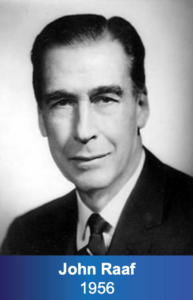 Dr. John Raaf (1905–2000) was a leading neurosurgeon and a foundational figure in the development of neurosurgery in the Pacific Northwest. Widely regarded as the father of neurosurgery in Oregon, he served for many years as the chairman of neurosurgery at Good Samaritan Hospital in Portland, where he helped establish one of the region’s earliest and most respected neurosurgical programs.
Trained during an era when neurosurgery was still emerging as a distinct discipline, Dr. Raaf brought advanced surgical techniques and academic rigor to an underserved region. At one point, he was the only neurosurgeon on the West Coast between Seattle and San Francisco. His work was instrumental in expanding neurosurgical access, training and standards of care throughout the Northwest.
In recognition of his leadership and expertise, Dr. Raaf served as the second President of the Western Neurosurgical Society in 1956. To honor his legacy, Oregon Health & Science University (OHSU) established the John Raaf Day Lecture, an annual event dedicated to continued learning and excellence in neurological surgery
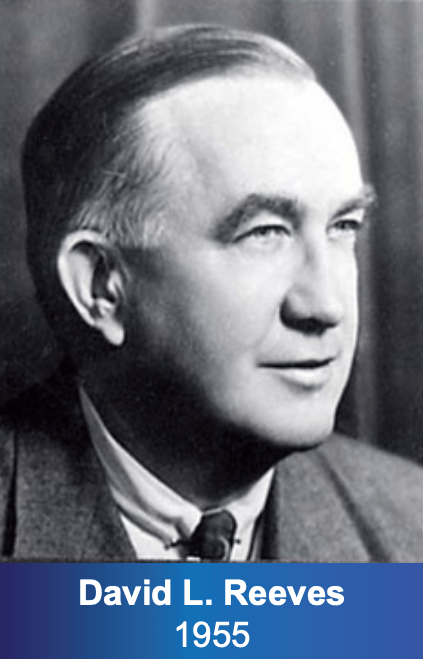 Dr. David L. Reeves (1904–1970) was a pioneering figure in American neurosurgery and a key contributor to the development of academic
neurosurgery in North America. In 1955, he became the founding president of the Western Neurosurgical Society (WNS), helping to establish its mission and direction during its formative years.
Dr. Reeves trained under the renowned Dr. Wilder Penfield at the Montreal Neurological Institute, one of the most influential training centers for neurosurgeons of the era. His experience there shaped his academic and clinical approach and helped him bring a strong educational foundation to his work in the western United States.
A respected clinician and leader, Dr. Reeves was instrumental in expanding the neurosurgical community through his involvement in professional societies, mentorship, and advocacy for research. His dedication to advancing the field left a lasting legacy that continues to influence neurosurgical practice today.